
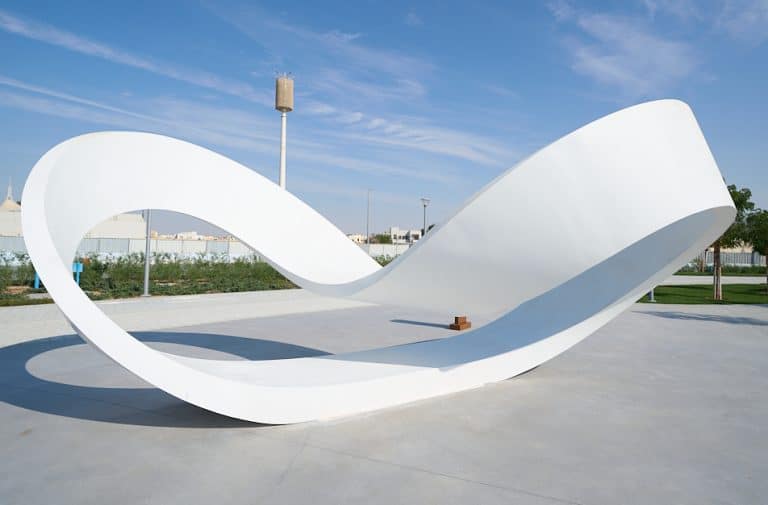
Art has always held a conversation with the world outside our windows. From the earliest cave paintings to digital masterpieces, the natural world provides an endless source of inspiration. It shapes how artists see color, form, and emotion, making nature a silent partner in the creative process.
This relationship goes beyond simple pictures of landscapes; it touches the very core of why we create. Recognizing this connection can deepen our appreciation for art.
Color palette from the earth:
Look at any forest, sky, or ocean. Nature teaches artists about color. The soft pink of a dawn sky, the deep green of moss, and the bright flash of a bird’s wing are lessons in harmony and contrast. Artists learn to mix tones that feel true to life, creating moods that can calm or energize the viewer, all drawn from an organic source. Signature art consulting frequently highlights this profound link between the natural world and artistic color theory.
Forms and shapes in the wild:
The curves of a river, the jagged lines of a mountain, and the spiral of a seashell give artists a library of forms. These shapes find their way into sculptures, the flow of a painted line, and the structure of abstract works. Nature’s geometry provides a blueprint for balance and interest that feels instinctively right to the human eye.
Textures you can feel with your eyes:
A rough stone, smooth water, fluffy clouds, and cracked earth. Artists strive to copy these surfaces. Painters use thick layers of paint for bark, while sculptors choose wood or stone to keep a material’s inherent feel. This brings a piece to life, inviting you to imagine the touch of the element portrayed.
Themes of change and life:
Nature shows constant change the cycle of seasons, growth, decay, and renewal. Many artists explore these ideas to talk about time, life, and our own existence. A budding flower can mean hope, while a bare winter tree might reflect solitude. These universal stories make art relatable across time and culture.
A sense of quiet and space:
A wide horizon or a quiet forest path gives a feeling of peace. Artists create this same feeling by using open space in a composition, soft colors, and gentle subjects. This art offers a visual escape, a quiet moment in a busy world, bringing the calm of nature indoors.